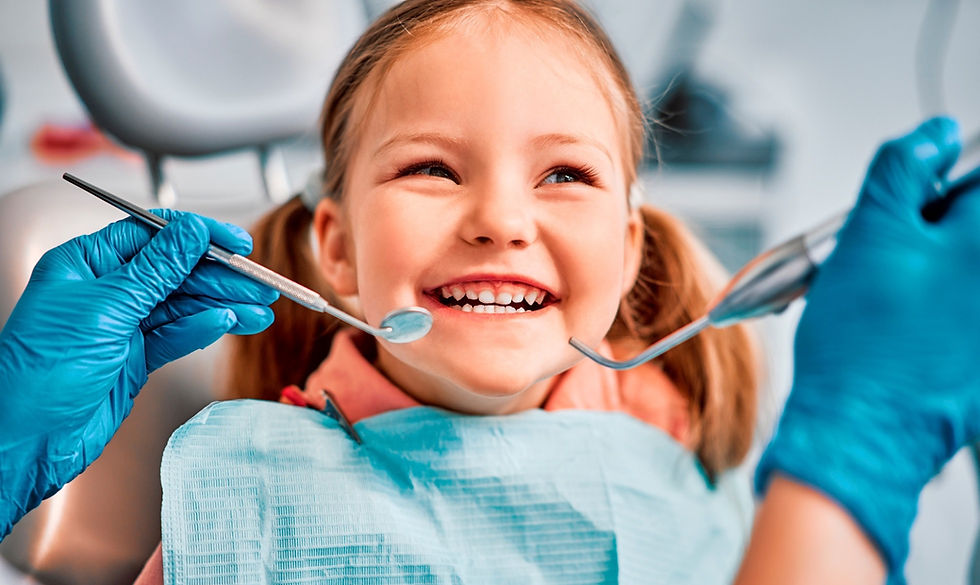
Children’s Oral Hygiene: Habits That Make a Difference from an Early Age
Oral hygiene in children is one of the fundamental pillars of lifelong oral health. The care adopted in the early years has a direct impact not only on the prevention of cavities and gum disease, but also on the proper development of teeth, bite alignment, and future health habits.
Despite this, many parents and caregivers still have questions about when to start brushing, how to adapt oral care to each age, and when to introduce dental floss. With appropriate information and professional guidance, it is possible to establish simple and effective routines from an early age.
At the clinic of Dr. Cláudio Alferes, prevention and education in children’s oral health play a central role, helping families protect their children’s smiles from the very first years of life.
Why Is Oral Hygiene So Important in Children?
Childhood is a decisive stage for oral health. Baby teeth, although temporary, play essential roles in chewing, speech, aesthetics, and in guiding the correct eruption of permanent teeth. In addition, this is the phase when habits are formed that tend to accompany the child throughout adult life.
An adequate oral hygiene routine in children contributes to balanced oral development, while its absence may have consequences not only locally, but also functionally and in the child’s overall well-being. For this reason, early oral care should be seen as an integral part of promoting children’s health.
Main Negative Impacts of Poor Oral Hygiene in Children
Inadequate oral hygiene during childhood may be associated with several consequences, including:
Development of early cavities in baby teeth;
Toothache and recurrent oral infections;
Difficulties with eating and chewing;
Increased risk of cavities in permanent teeth;
Alterations in bite development and dental alignment.
Oral hygiene in children should therefore be viewed as an investment in overall health and future well-being, rather than merely a punctual or aesthetic concern.
When Should Children’s Oral Hygiene Begin?
Oral hygiene care should start shortly after birth, even before the eruption of the first teeth.
Oral Hygiene Before Teeth Appear:
In the first months of life, it is recommended to:
Gently clean the gums with a damp gauze or soft cloth;
Establish a daily routine, helping the baby become accustomed to oral care.
This habit helps reduce bacteria in the mouth and prepares the child for future brushing.
When the First Teeth Erupt
As soon as the first teeth appear:
Brushing should begin using an age-appropriate toothbrush;
Use a minimal amount of fluoride toothpaste (equivalent to a grain of rice);
Brushing should always be performed by an adult.
Children’s Oral Hygiene: How to Adapt Care to Each Age
Oral hygiene in children is not static and must be adapted to the different stages of development. As a child grows, not only do the needs of the teeth and gums change, but also motor skills, level of autonomy, and understanding of the importance of daily care.
Correctly adapting brushing technique, toothpaste amount, and level of supervision at each age is essential to prevent cavities, promote healthy habits, and ensure balanced oral development. The involvement of parents or caregivers is crucial at all stages, especially in the early years, to ensure that oral hygiene is effective and consistent.
From 0 to 3 Years:
Brush twice a day;
Use fluoride toothpaste in a very small amount;
Full parental supervision;
Avoid letting the child fall asleep with a bottle containing milk or sugary drinks.
From 3 to 6 Years:
Maintain brushing twice a day;
Slightly increase the amount of toothpaste (pea-sized);
Teach the child to spit out toothpaste, avoiding excessive rinsing;
Gradually introduce autonomy, always with supervision.
From 6 Years Onwards:
Introduce dental floss, especially when teeth begin to contact each other;
Reinforce nighttime brushing as the most important of the day;
Help the child improve brushing technique.
The Role of Dental Floss in Children’s Oral Hygiene
Dental floss is often overlooked, but it is essential for removing food debris and plaque between teeth where the toothbrush cannot reach.
Its use should:
Begin when teeth are already in contact;
Initially be performed by parents;
Gradually become a habit integrated into the daily routine.
Correct use of dental floss helps prevent interproximal cavities and gum inflammation from an early age.
Common Mistakes in Children’s Oral Hygiene
Some habits can compromise the effectiveness of oral hygiene in children, even when intentions are good:
Allowing the child to brush alone too early;
Using excessive amounts of toothpaste;
Neglecting nighttime brushing;
Offering sugary foods frequently, especially before bedtime;
Delaying the first dental visit.
Correcting these behaviours is essential to ensure good oral health in children.
The Importance of Early Professional Follow-Up
In addition to daily home care, follow-up by an oral health professional is essential to:
Assess the development of teeth and jaws;
Detect cavities or bite alterations early;
Guide parents and children on proper hygiene techniques;
Promote a positive relationship between the child and the dentist.
At the clinic of Dr. Cláudio Alferes, children’s oral health care is provided in a personalised manner, respecting each child’s pace and prioritising prevention as the foundation of any treatment..