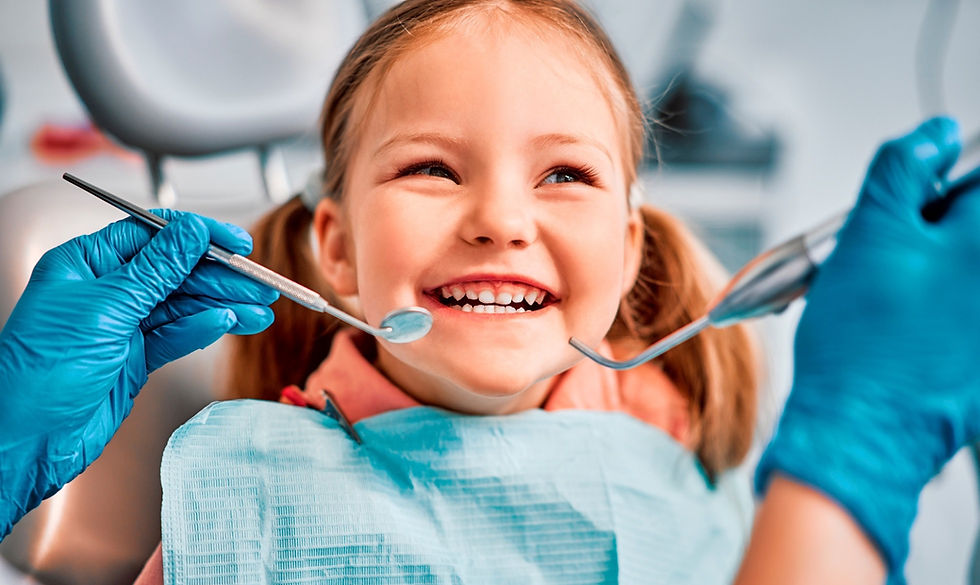
When should I take my child to the dentist? A guide for parents
Many parents associate a dental visit only with the presence of pain or a visible cavity. However, pediatric dental care should begin before any symptoms appear. Oral health is part of a child’s overall development and influences chewing, speech, breathing, facial growth, and even self-esteem.
Knowing when to take your child to the dentist is one of the most common questions — and the answer is much more related to prevention than urgency.
In addition to preventing cavities, early dental visits also play an essential role in the orthodontic evaluation of craniofacial growth, allowing the identification of bite and jaw development issues at a stage when intervention can be simpler and more effective.
When should the first dental visit take place?
The first dental visit should ideally occur by the first year of life or after the eruption of the first baby tooth. This stage is essential to guide parents and monitor oral development from the beginning.
The goal is not just to “check if everything is fine,” but to assess:
jaw growth;
sequence of tooth eruption;
oral and respiratory function;
risk of early childhood caries;
early signs of orthodontic changes.
During this initial consultation, topics such as the following are addressed:
age-appropriate oral hygiene;
pacifier use or thumb sucking;
diet and risk of early cavities;
prevention of dental trauma;
habits that may interfere with facial growth.
Creating a positive experience from an early age helps the child see the dentist as a natural part of their healthcare routine.
Why is it important to think about orthodontics early?
Many parents associate orthodontics only with adolescence, when braces are commonly used. However, several orthodontic issues begin much earlier, during childhood.
Jaw development, tongue posture, breathing patterns, and certain childhood habits directly influence how teeth will erupt and align.
Early monitoring allows the detection of signs such as:
lack of space for permanent teeth;
crossbite;
open bite;
facial asymmetries;
altered jaw growth;
early dental crowding.
In many cases, this does not mean starting treatment immediately, but rather monitoring at the right time.
Routine check-ups: how often are they needed?
After the first evaluation, the frequency of visits should be adjusted to the child’s profile. Not all children have the same risk of cavities or the same pattern of dental and facial growth.
In general, biannual check-ups are recommended. However, in children with a higher risk of cavities or bite development issues, closer monitoring may be necessary.
It is important to distinguish between:
preventive visits (even without complaints);
visits due to pain or an existing problem;
orthodontic monitoring during growth.
Prevention allows for simpler and less invasive interventions.
What is the ideal age for the first orthodontic evaluation?
In general, an orthodontic evaluation between the ages of 6 and 7 is often recommended. At this stage, the first permanent teeth begin to emerge, and it is already possible to observe the relationship between the jaws and facial growth direction.
At this age, it is possible to identify early signs such as:
crossbites;
lack of space;
deviated tooth eruption;
persistent habits affecting the bite;
early skeletal discrepancies.
Not all children will need braces at this stage, but many benefit from specialized monitoring.
Warning signs that justify an earlier visit
Although regular monitoring is recommended, some situations require evaluation before the routine check-up. Early identification of these signs can help prevent future complications.
1. Visible cavities or white spots on teeth
Opaque white spots may be the first sign of enamel demineralization. At this early stage, preventive intervention is possible. If they progress to visible cavities, treatment may become more complex.
2. Tooth pain or sensitivity when chewing
Complaints of pain, especially when chewing or consuming hot or cold foods, should be evaluated. Pain is often a sign of inflammation or infection and should not be ignored.
3. Changes in tooth position or misaligned bite
Teeth erupting in a very misaligned position, crossbite, or difficulty closing the mouth properly may indicate the need for early orthodontic evaluation.
4. Persistent mouth breathing
Children who predominantly breathe through their mouth may develop changes in facial growth and dental positioning. This situation should be assessed in an integrated way.
5. Prolonged habits (pacifier, thumb sucking, nail biting)
If these habits persist beyond the expected age, they may interfere with jaw growth and tooth positioning.
Why does early diagnosis make a difference?
Craniofacial growth occurs mainly during childhood. Intervening at this stage can allow for simpler and more predictable correction of imbalances.
Early diagnosis allows:
monitoring of occlusion development;
identification of the need for interceptive orthodontics;
reduction of the risk of more complex treatments in the future;
promotion of healthy habits from an early age;
more balanced facial growth.
Many conditions are easier to manage when detected at the right time.
What is interceptive orthodontics?
Interceptive orthodontics refers to interventions performed during a child’s growth, with the aim of guiding dental and skeletal development.
It may be indicated in situations such as:
crossbite;
lack of dental space;
persistent oral habits;
discrepancies between the upper and lower jaws;
functional breathing or chewing alterations.
It does not always involve traditional fixed braces. Depending on the case, removable appliances or other age-appropriate solutions may be used.
What to expect in a pediatric dental visit?
A pediatric dental consultation is adapted to the child’s age and has an educational, preventive, and developmental monitoring focus. The environment should be calm and designed to build trust.
During the consultation, the following are performed:
clinical evaluation of teeth and gums;
analysis of growth and bite;
oral hygiene guidance;
caries risk assessment;
identification of early orthodontic signs;
clarification of parents’ questions.
Whenever necessary, a personalized follow-up plan may be established.
Conclusion: regular follow-up as an investment in future health
Knowing when to take your child to the dentist means prioritizing prevention. Pediatric oral health should not begin only when pain appears, but as an integral part of the child’s overall healthcare.
In addition to preventing cavities, early follow-up allows monitoring of facial and dental growth, identifying orthodontic issues at the right time, and promoting a healthy and functional bite.
Regular dental visits help ensure balanced development, prevent future problems, and establish positive habits that will accompany the child throughout life.